 Poke Fun Play
Pokémon HeartGold and SoulSilver: Johto, Walking Partners, and Pokéwalker
A guide to the original Nintendo DS HeartGold and SoulSilver releases, their following Pokémon, Pokéwalker accessory, version choices, and connectivity limits.
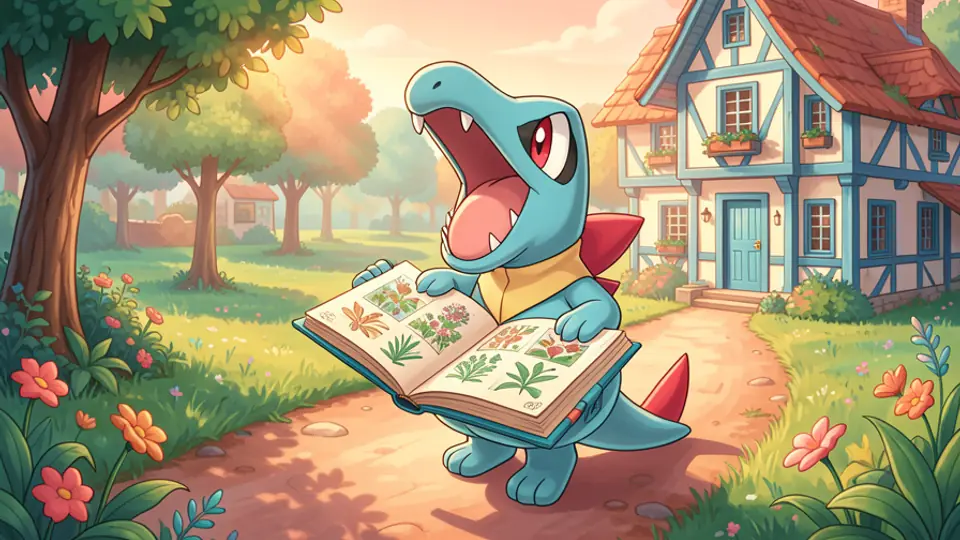
Johto rebuilt for Nintendo DS
Pokémon HeartGold Version and Pokémon SoulSilver Version revisit Gold and Silver on Nintendo DS. Nintendo records March 26, 2010 as their original European release date. These Game Freak-developed, Nintendo-published games belong to Generation IV, even though their story and setting return to Generation II's Johto. That distinction matters: a remake can preserve a journey while placing it within a later era of the series.
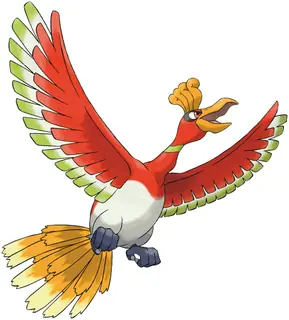
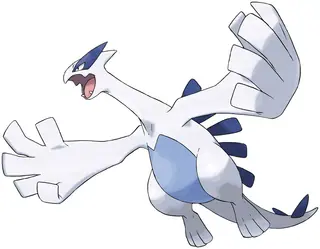
Chikorita, Cyndaquil, and Totodile are the first partner choices. The adventure again asks you to explore, raise a team, earn Badges, and challenge the League. Ho-Oh and Lugia help distinguish the paired releases. Choosing between the versions can start with those featured Pokémon, but the shared Johto setting provides most of the experience either way.
A partner who stays visible
The Pokémon at the front of your team can follow you around outside its Poké Ball. Unlike Yellow's focus on Pikachu, this makes the walking companion a reflection of your current party order. It is a small presentation choice with a large storytelling effect: the Pokémon you are training can be present in a town or on a route, rather than appearing only when battle begins.
That visibility gives a personal replay an easy theme. You might put a favorite species first, rotate companions as the team grows, or deliberately keep the starter beside you. These are player-defined goals, rather than extra reward systems we are claiming the game provides. They make use of an existing feature to connect collecting with the feeling of traveling together.
What the Pokéwalker actually does
The original releases were packaged with the Pokéwalker, a small accessory linked to the cartridge by infrared. You can send a Pokémon on a walk, accumulate Watts through steps, and use the accessory's routes and activities to encounter Pokémon or find items. It is hardware associated with these DS games, not a phone application or a modern online service.
A secondhand listing deserves a careful distinction between a working game cartridge and a complete accessory bundle. Check what is included, the accessory's condition, and whether the seller describes pairing correctly. Someone interested mainly in the Johto story has a different shopping goal from someone specifically collecting the Pokéwalker experience. A photograph of a box does not by itself answer either question.
| Feature | What it changes |
|---|---|
| Following lead Pokémon | Your selected companion stays visible between battles |
| Pokéwalker | A separate infrared accessory makes walking part of play |
| DS touch controls | Menu interaction uses different hardware |
| Later battle challenges | Team preparation has another purpose after the journey |
The touch screen and later challenges
The official overview describes touch-screen controls alongside traditional button input. This makes the DS remake more than a visual conversion of the Game Boy Color adventure. Menus and interaction take advantage of a different console, while the familiar route through Johto provides the continuity. The instruction booklet also describes the Battle Frontier as an activity reached after the main League milestone.
For planning a longer playthrough, separate the main journey from those repeatable challenges. A story team can be assembled around Pokémon you enjoy; a later facility team may need closer attention to the rules of that particular challenge. That avoids turning the opening routes into preparation for every possible endgame activity before you have even met the partners you want to use.
Historical communication is not current online support
Nintendo Wi-Fi Connection for DS games ended on May 20, 2014, so launch-era online descriptions are historical. Local wireless uses a different connection. Game Boy and Game Boy Color cartridges cannot trade directly with these DS remakes just because their stories share a region. The official manual is the more useful reference for a specific hardware connection than a general nostalgia feature.
There is also no direct HeartGold or SoulSilver connection to HOME. Older transfer chains involve intervening titles, systems, and software, and Pokémon Bank has an announced end-of-service deadline. If preserving a particular partner is your goal, work backward from the verified destination requirements. Buying an old cartridge first and assuming a modern transfer will follow can leave out the most important part of the plan.
By the Poke Fun Play editorial team. Facts checked October 4, 2026; analysis and collecting suggestions are our own.
Sources & further reading
- Nintendo: Pokémon HeartGold · Checked 2026-10-04
- Pokémon: HeartGold and SoulSilver overview · Checked 2026-10-04
- Nintendo: HeartGold instruction booklet · Checked 2026-10-04
- Nintendo: Pokémon Bank end of service · Checked 2026-10-04
Explore the Pokémon
 Chikorita
 Cyndaquil
 Totodile
 Ho-Oh
 Lugia
Keep exploring
Related articles
 Video games
Pokémon Gold and Silver: Johto, Day and Night, Breeding, and Two New Types
A guide to the original Gold and Silver games, their Johto starters, clock-based encounters, held items, breeding, and historical Virtual Console rereleases.
Read article → Video games
Pokémon Crystal: Johto, Animated Battles, and Its Virtual Console Differences
Understand Pokémon Crystal as an expanded Johto game, including the first playable female Trainer, animated battle introductions, Battle Tower, and 3DS rerelease.
Read article → Video games
Pokémon Legends: Z-A: Lumiose, Real-Time Battles, and Editions Explained
Explore how Pokémon Legends: Z-A uses Lumiose City, real-time battles, wild zones, Mega Evolution, and two Nintendo Switch editions.
Read article →Related retailers
Coloring books on Amazon · Pokémon cards on TCGplayer
Paid links. As an Amazon Associate I earn from qualifying purchases. We may earn a commission from purchases through our TCGplayer links.