 Poke Fun Play
Pokémon Gold and Silver: Johto, Day and Night, Breeding, and Two New Types
A guide to the original Gold and Silver games, their Johto starters, clock-based encounters, held items, breeding, and historical Virtual Console rereleases.
The second generation opens Johto
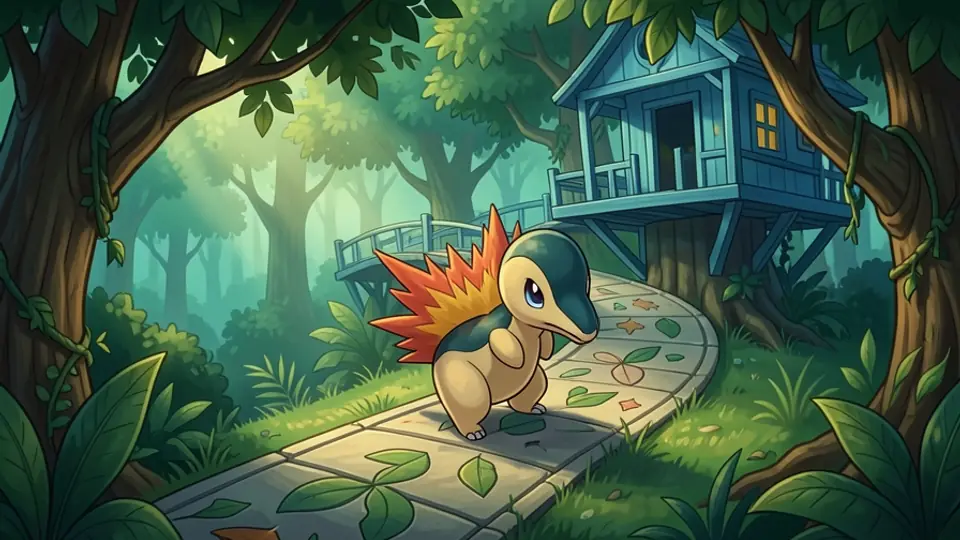
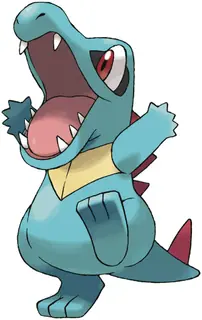
Pokémon Gold Version and Pokémon Silver Version introduce Johto and the second generation of Pokémon. The official Pokémon overview dates their Japanese debut to November 21, 1999; Nintendo lists April 6, 2001 for the original European Game Boy Color releases. Game Freak developed the pair and Nintendo published it. Chikorita, Cyndaquil, and Totodile provide the opening partner choices.
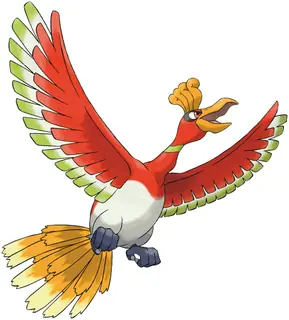
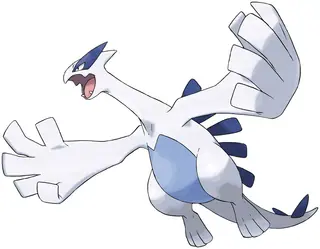
Ho-Oh and Lugia help distinguish the versions' identities, while Raikou, Entei, and Suicune are another important part of Johto's Legendary Pokémon cast. The everyday journey still starts much smaller: one partner, nearby routes, and a growing team. That scale makes new mechanics easier to discover through ordinary encounters before worrying about every rare species or later objective.
Time becomes part of the region
Gold and Silver's internal clock makes day and night relevant to exploration. A route is no longer defined only by its location; the time at which you visit can affect the Pokémon you encounter. For someone coming from Red and Blue, this creates a reason to revisit familiar ground instead of assuming that an explored route has nothing else to offer.
A relaxed collection plan can use that change without turning play into an appointment schedule. Keep track of a route you want to revisit, then explore it during another part of the day when convenient. This is a player-defined way to organize a journey, not a claim that changing a modern device's clock reproduces every original hardware behavior.
Partners have more ways to differ
Held items, Pokémon genders, and breeding add new dimensions to raising a team. Compatible Pokémon can produce an Egg, making the Day Care a different kind of collection project from catching a species on a route. Gold and Silver also introduce Steel and Dark as Pokémon types, expanding the matchup vocabulary of the earlier games.
For a newcomer, the useful distinction is between learning a system and optimizing it immediately. Read what a held item does, notice how a new type changes a matchup, and explore breeding when it interests you. An ordinary adventure does not have to become a perfect-stat project. Understanding why a partner behaves differently is already a meaningful step beyond choosing it only by appearance.
| Generation II addition | Collection implication |
|---|---|
| Internal clock | A route can reward visits at different times |
| Held items | A partner has another usable battle resource |
| Breeding | An Egg offers another raising project |
| Steel and Dark types | Earlier matchup expectations need reconsidering |
Paired games and the expanded edition
Gold and Silver share their main regional foundation with version-dependent encounters. Crystal is a later expanded Johto release, while HeartGold and SoulSilver are remakes on Nintendo DS. Those products preserve recognizable names and locations but are not identical games. A guide for a remake should not be assumed to describe the original Game Boy Color cartridge.
When choosing between the original pair, begin with the Pokémon you want to meet and whether you have a compatible trading partner. When comparing generations of releases, begin with the platform and the feature that matters to you. A walking follower in the DS remakes answers a different preference from wanting to see how Johto was first presented.
Virtual Console is part of the history
The pair later received Nintendo 3DS Virtual Console releases, dated September 22, 2017 in the official Pokémon overview. These editions used local wireless communication, including a Time Capsule connection for eligible Pokémon from the compatible earlier Virtual Console games. Nintendo's product page also notes that new Nintendo 3DS eShop purchases ended on March 27, 2023.
The original cartridges and the Virtual Console editions must therefore be treated as different products for connection planning. Gold and Silver do not offer a direct HOME link. Historical transfers depend on the correct rerelease, installed software, and current service status. Pokémon Bank has an announced end-of-service deadline, so check that route explicitly rather than relying on an old launch announcement.
By the Poke Fun Play editorial team. Facts checked October 4, 2026; analysis and collecting suggestions are our own.
Sources & further reading
- Pokémon: Gold and Silver overview · Checked 2026-10-04
- Nintendo: Pokémon Gold · Checked 2026-10-04
- Nintendo: Pokémon Bank end of service · Checked 2026-10-04
Explore the Pokémon
 Chikorita
 Cyndaquil
 Totodile
 Ho-Oh
 Lugia
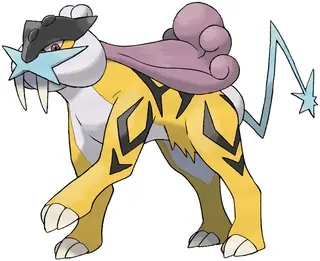 Raikou
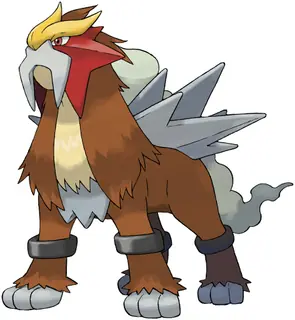 Entei
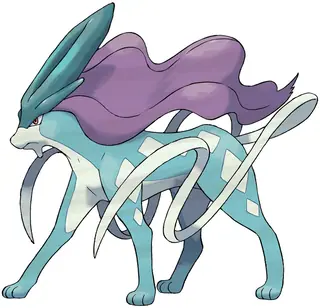 Suicune
Keep exploring
Related articles
 Video games
Pokémon HeartGold and SoulSilver: Johto, Walking Partners, and Pokéwalker
A guide to the original Nintendo DS HeartGold and SoulSilver releases, their following Pokémon, Pokéwalker accessory, version choices, and connectivity limits.
Read article →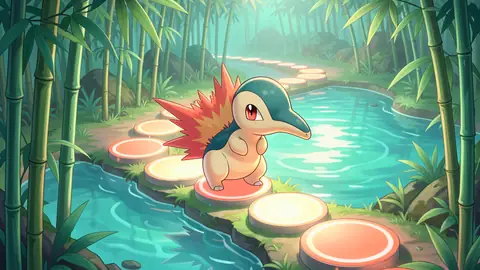 Video games
Pokémon Crystal: Johto, Animated Battles, and Its Virtual Console Differences
Understand Pokémon Crystal as an expanded Johto game, including the first playable female Trainer, animated battle introductions, Battle Tower, and 3DS rerelease.
Read article → Video games
Pokémon Ranger: Guardian Signs — Oblivia and Legendary Assistance
Meet Ukulele Pichu, explore Ranger Signs and Legendary Pokémon, and understand Guardian Signs’ missions and original Nintendo DS local play.
Read article →Related retailers
Coloring books on Amazon · Pokémon cards on TCGplayer
Paid links. As an Amazon Associate I earn from qualifying purchases. We may earn a commission from purchases through our TCGplayer links.