 Poke Fun Play
Pokémon Ranger: Guardian Signs — Oblivia and Legendary Assistance
Meet Ukulele Pichu, explore Ranger Signs and Legendary Pokémon, and understand Guardian Signs’ missions and original Nintendo DS local play.
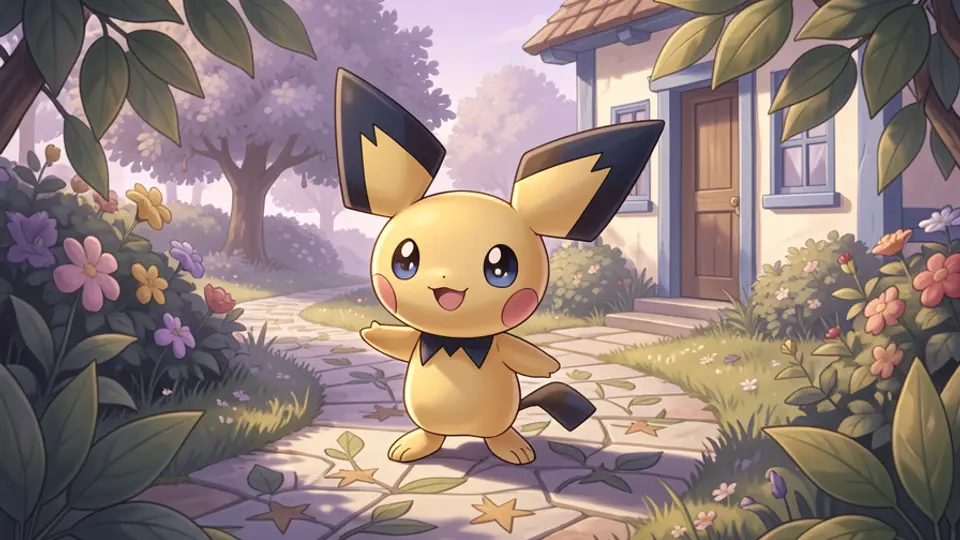
Ukulele Pichu accompanies the third Ranger adventure
Pokémon Ranger: Guardian Signs launched in Europe on Nintendo DS in 2010. The third Ranger game moves the adventure to Oblivia and introduces Ukulele Pichu as the player’s companion. The Pokémon Pinchers threaten the region, while the Ranger’s work combines protection, investigation, and solving practical problems. Nintendo’s original announcement presents the game as a new adventure rather than an expansion of the Almia storyline.
The companion’s instrument gives the opening a distinct character, but the larger design remains about assistance. Our editorial reading is that Guardian Signs is best understood through the ways Pokémon participate in travel and missions. A recognizable creature is not simply a badge beside a menu: it can provide the ability that changes what the Ranger is able to do next.
A drawn sign becomes a call for help
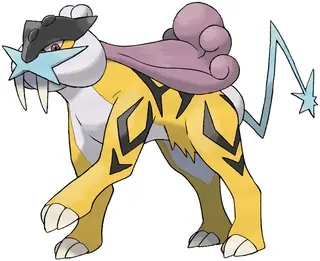
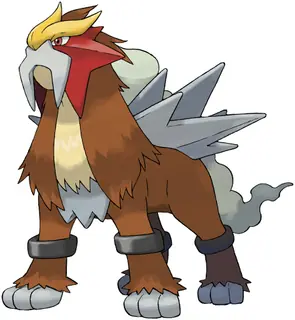
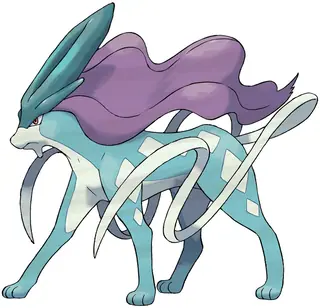
The Capture Styler again uses circles drawn on the Touch Screen to befriend Pokémon. Guardian Signs adds another drawing system: tracing a Pokémon’s Ranger Sign calls it to assist. Nintendo specifically names Legendary helpers including Raikou, Entei, and Suicune. This gives drawing a second role, linking a remembered symbol with a Pokémon’s arrival rather than using it only during the capture challenge.
That relationship between symbol and creature is worth noticing when comparing touch-driven games. The movement of the player’s hand carries meaning inside the fiction. For a new player, focus on recognizing the sign and the reason for calling its Pokémon, instead of treating every symbol as an isolated gesture to memorize. Understanding the need for assistance makes the mechanic easier to explain and the resulting action easier to appreciate.
Missions connect abilities with a changing situation
Nintendo’s description includes Missions such as finding a missing person or responding to a natural disaster. Pokémon abilities help solve obstacles and capture challenges along the way. A Water-group helper putting out a fire is one official example. Successful Missions advance the story, connecting practical tasks with the wider effort to protect Oblivia from the Pokémon Pinchers.
Read a mission as a situation before reading it as a destination marker. What has gone wrong, what is preventing a response, and what kind of help could change it? Those questions connect the Pokémon in an area with its immediate problems. They also distinguish Ranger from a standard battle ladder: progress can depend on choosing assistance that makes sense in the environment rather than selecting the strongest attack.
Local multiplayer is different from the Wii U version
The original Nintendo DS release includes local multiplayer for up to four players. Nintendo’s Wii U Virtual Console notice states that original wireless features are absent and that the rerelease supports one player. The original Nintendo Wi-Fi Connection service also ended in 2014, while new Wii U eShop purchases ended in 2023. These distinctions matter when reading old invitations to cooperate or download additional missions.
Guardian Signs is a useful final stop when exploring the three Ranger adventures. It preserves the Capture Styler while giving symbolic drawing and Legendary help a larger role. For a group interested in an older local session, confirm the exact Nintendo DS setup first. For a reader interested in design, compare Fiore’s temporary assistance, Almia’s training structure, and Oblivia’s signs to see three variations on Pokémon helping within a world.
By the Poke Fun Play editorial team. Facts checked October 4, 2026; analysis and collecting suggestions are our own.
Sources & further reading
- Nintendo Guardian Signs official profile · Checked 2026-10-04
- Nintendo Guardian Signs website announcement · Checked 2026-10-04
Explore the Pokémon
 Pichu
 Raikou
 Entei
 Suicune
Keep exploring
Related articles
 Video games
Pokémon Gold and Silver: Johto, Day and Night, Breeding, and Two New Types
A guide to the original Gold and Silver games, their Johto starters, clock-based encounters, held items, breeding, and historical Virtual Console rereleases.
Read article → Video games
Pokémon Channel: Pikachu, Television, and a Different Daily Adventure
Explore Pokémon Channel on GameCube, including Pikachu companionship, Pichu Brothers animation, collectible Nice Cards, and creative activities.
Read article → Video games
Pokémon Crystal: Johto, Animated Battles, and Its Virtual Console Differences
Understand Pokémon Crystal as an expanded Johto game, including the first playable female Trainer, animated battle introductions, Battle Tower, and 3DS rerelease.
Read article →Related retailers
Coloring books on Amazon · Pokémon cards on TCGplayer
Paid links. As an Amazon Associate I earn from qualifying purchases. We may earn a commission from purchases through our TCGplayer links.