 Poke Fun Play
Pokémon Red and Blue: Kanto, the Original Starters, and the Collection Idea
Explore the original Game Boy Red and Blue releases, their Kanto journey, starter designs, paired-version collecting, and historical rerelease connections.
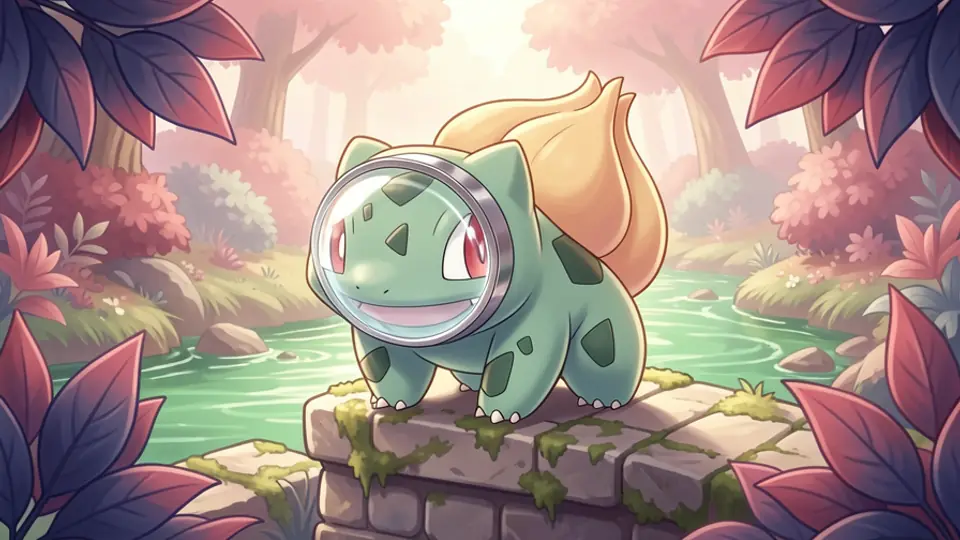
The original English-language Kanto adventure
Pokémon Red Version and Pokémon Blue Version introduced the core adventure to English-language audiences on Game Boy. The official Pikachu creator interview places the US releases in 1998, following Japan's Red and Green in 1996. Nintendo lists October 5, 1999 for the original European releases. Game Freak developed the games and Nintendo published them. Those dates describe different markets, rather than conflicting answers to a single worldwide launch.
Kanto provides the setting for a journey from Professor Oak's introduction toward eight Gym Badges and the Pokémon League. Team Rocket supplies an opposing force along the way. The region's routes, towns, and encounters connect the collection goal to travel: learning what lies beyond the next town also means discovering another possible member of your team.
Why the first partner designs matter
Bulbasaur, Charmander, and Squirtle are the first partner choices. In the official creator interview, Atsuko Nishida explains that she worked backward from their final forms when designing the smaller partners. That gives the opening selection an interesting design context: the appealing creature you meet first also contains the possibility of a very different grown partner later.
The first choice is therefore more than a matchup decision. A player may be drawn to a familiar animal shape, a type, or the idea of seeing what the Pokémon becomes. For a replay, selecting a starter you have usually ignored is a concrete way to change the journey. You can then build the rest of the team around discoveries instead of reproducing the same six partners by habit.
Two versions make collecting social
Red and Blue share their central adventure but have version-dependent encounters. Trading gives that difference a practical purpose. The collection is not presented simply as a series of identical tasks completed independently in each cartridge: another person's game can provide a partner absent from your own version. The system connects a personal team to a wider collection goal.
This also explains why a shopping comparison should start with your actual plan. Someone interested in the story can select one version and enjoy its available partners. Someone aiming at a broader collection should check the other version and the communication equipment as well. Neither plan requires treating every species as equally important to the way you want to play.
Cartridges, Stadium, and Virtual Console
The original cartridges used period-specific communication hardware. Pokémon Stadium on Nintendo 64 could connect to Red, Blue, and Yellow through the N64 Transfer Pak, allowing handheld teams to appear in its battles. That is a historical connection involving an accessory and original software. A later rerelease of another game should not be assumed to reproduce it.
Nintendo also released Red and Blue on Nintendo 3DS Virtual Console on February 27, 2016. New purchases on the Nintendo 3DS eShop ended on March 27, 2023. The Virtual Console editions and the original Game Boy cartridges must be distinguished when checking communication or transfer options. HOME support cannot be inferred merely because the same game title appears on both products.
Reading the games in their own era
A modern Pokémon page describes a species across many generations. An original Red or Blue playthrough uses the rules, available Pokémon, and moves of its own release. Keep that distinction in mind when consulting a modern Pokédex alongside an old game. The species introduction is useful, but a contemporary move list is not automatically a cartridge-specific guide.
The lasting collection idea can be appreciated without a claim that these games are superior to every sequel. A small opening partner, a route full of choices, and a team that changes through the journey provide a clear foundation to compare with later releases. Yellow changes the relationship with the opening companion; FireRed and LeafGreen revisit Kanto through the GBA era. Each comparison highlights a different part of that foundation.
By the Poke Fun Play editorial team. Facts checked October 4, 2026; analysis and collecting suggestions are our own.
Sources & further reading
- Nintendo: Pokémon Red · Checked 2026-10-04
- Pokémon: The creators of Pikachu · Checked 2026-10-04
- Pokémon: Pokémon Stadium historical overview · Checked 2026-10-04
Explore the Pokémon
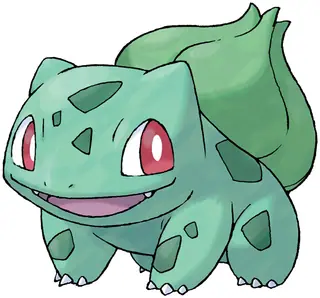 Bulbasaur
 Charmander
 Squirtle
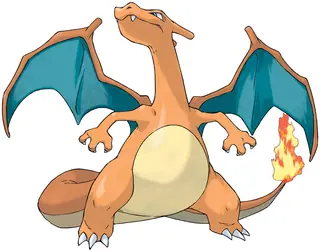 Charizard
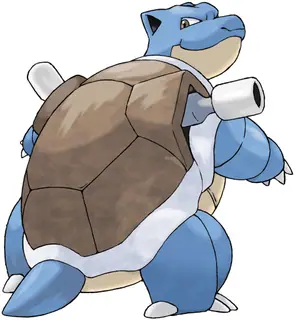 Blastoise
 Pikachu
Keep exploring
Related articles
 Video games
Pokémon FireRed and LeafGreen: The Original Game Boy Advance Kanto Remakes
Explore the original GBA FireRed and LeafGreen games, including Kanto starters, the Sevii Islands, version choices, and hardware-specific communication.
Read article → Video games
FireRed and LeafGreen on Switch: What the 2026 Releases Change
Check the standalone Switch releases of FireRed and LeafGreen, including language editions, local wireless, Nintendo Switch Online, and HOME.
Read article → Video games
Pokémon Café ReMix: Linking Puzzles, Café Staff, and Platform Save Rules
Explore Pokémon Café ReMix’s swirling icon puzzles, Pokémon staff, recipe goals, Switch touch controls, and the important limits on moving saves between platforms.
Read article →Related retailers
Coloring books on Amazon · Pokémon cards on TCGplayer
Paid links. As an Amazon Associate I earn from qualifying purchases. We may earn a commission from purchases through our TCGplayer links.