 Poke Fun Play
Normal, shiny and regional Pokémon artwork
Understand the difference between familiar colors, shiny variations, regional forms and pixel art before choosing a Pokémon picture or coloring reference.
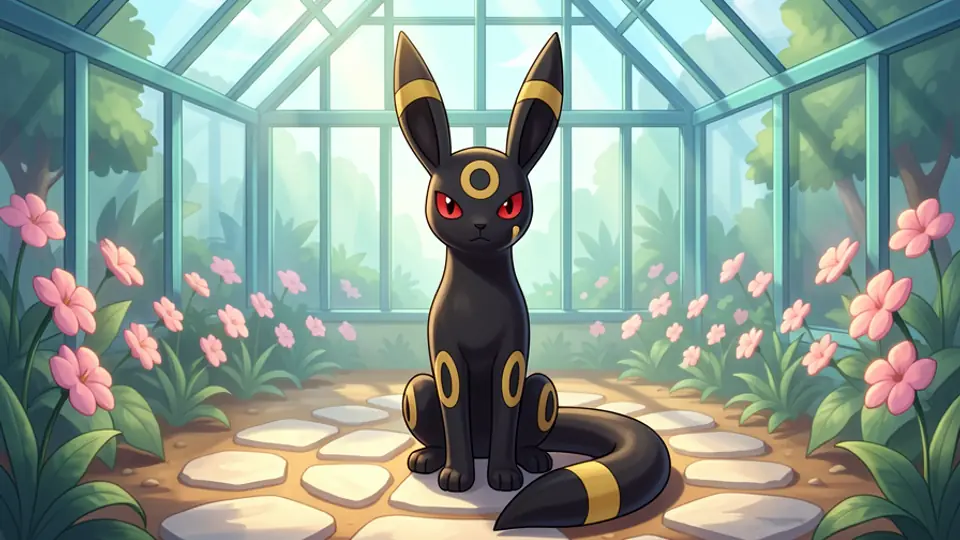
Start with the version you mean
A Pokémon picture can vary in several independent ways: the species or form shown, its color variation, and the artist’s drawing style. Separating those choices makes it easier to find a reference, compare two posters or explain your coloring idea. A pixel drawing and a smooth illustration can depict the same Pokémon in the same colors.
In artwork listings, normal usually means the familiar color version. It does not mean that the Pokémon has the Normal type. Umbreon, for example, can be the subject of normal-color artwork without changing its species or battle typing. Read the full title and look at the preview rather than relying on one word in a product label.
Shiny describes an alternate color variation
The official Pokémon feature Keep That Catch Combo Going describes Shiny Pokémon as rare, differently colored Pokémon. Its discussion concerns Pokémon: Let’s Go, Pikachu! and Pokémon: Let’s Go, Eevee!, so its encounter advice belongs to those games. You do not need to apply a game’s catching rules to understand the artwork distinction: a shiny reference represents an alternate color variation of that Pokémon.
For a coloring project, compare the reference before choosing your palette. Some changes can be much subtler than a complete recoloring. If you invent a new combination of colors, describe it as your own palette or fan interpretation. Calling every unusual color choice shiny would make it harder for someone else to identify the particular official variation you intended.
Regional forms can change more than color
The official Sword and Shield site explains regional forms through Pokémon adapting to a region’s environment. Its Galarian examples have distinctive appearances and characteristics. The Legends: Arceus site separately identifies Hisuian forms, including Hisuian Growlithe, Zorua and Voltorb. A regional label therefore carries more information than a choice of paint color.
Check the silhouette as well as the palette. If the outline depicts one form, repainting it cannot reproduce a different form’s shape. Pick a matching reference when form accuracy matters, and label an imaginative redesign clearly when it does not. For a group display, consistent captions can distinguish a regional form from a shiny color variation without requiring the viewer to guess.
Choose a drawing style separately
Pixel art uses visible blocks as part of the image’s style. Standard artwork, outline artwork and silhouettes offer different amounts of detail. These are presentation choices rather than additional Pokémon forms. The Shop catalogue names its editions so you can compare normal pixel, shiny pixel and standard artwork products using their real preview photographs.
Before starting, write a short brief: the Pokémon, the form if relevant, the color reference and the visual style. For example, an Umbreon outline with your own night-sky palette is a clear creative direction. Open a species page for context, then use the coloring studio to explore. Keep the distinction between a reference and an original interpretation visible when you download or share the finished picture.
By the Poke Fun Play editorial team. Facts checked October 5, 2026; analysis and collecting suggestions are our own.
Sources & further reading
- Pokémon: Keep That Catch Combo Going · Checked 2026-10-05
- Pokémon Sword and Shield: Galarian forms · Checked 2026-10-05
- Pokémon Legends: Arceus: Pokémon and Hisuian forms · Checked 2026-10-05
Explore the Pokémon
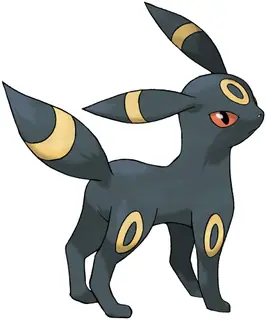 Umbreon
 Eevee
 Growlithe
Keep exploring
Related articles
 Site guides
Pokémon binders: card collections and Pokédex placeholders
Choose between organizing individual Pokémon TCG printings and planning a species-based National Pokédex binder with printable placeholders.
Read article → Site guides
Choosing a Pokémon poster for your space
Compare generation, artwork style and listed sizes in the verified Etsy catalogue before choosing a digital Pokémon poster for a wall or display.
Read article → Site guides
Pokémon coloring patterns and palette ideas
Use the coloring studio’s ten pattern choices and six palettes to plan a readable Pokémon picture, experiment with texture and save your work.
Read article →Related retailers
Coloring books on Amazon · Pokémon cards on TCGplayer
Paid links. As an Amazon Associate I earn from qualifying purchases. We may earn a commission from purchases through our TCGplayer links.