 Poke Fun Play
From Base Set to 30th Celebration: a card-art journey
Explore Pokémon’s card history through changing illustrations and collecting habits, separating nostalgia from card identity.
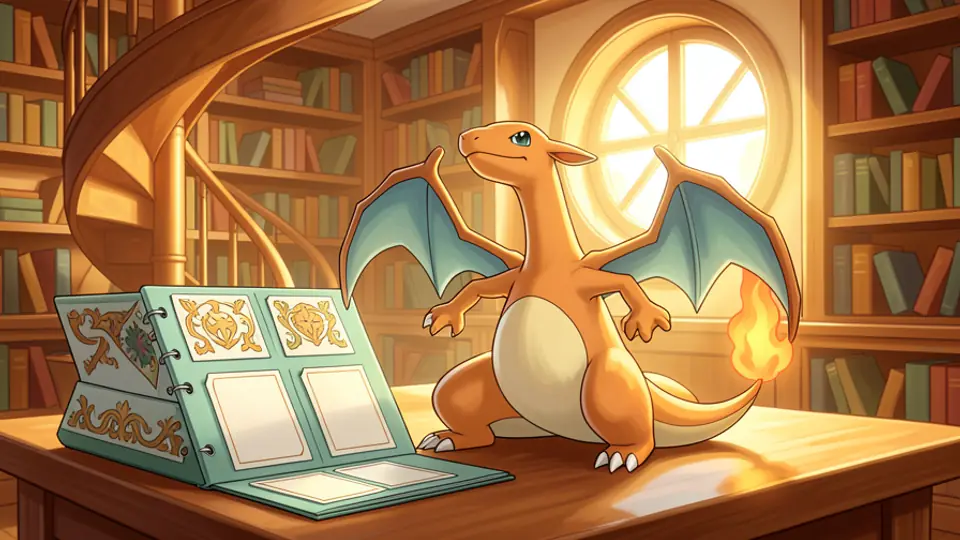
Put the anniversary in context
Pokémon began with Red and Green in Japan in 1996. The corporate history records the TCG’s North American and European debut in 1999 and the first TCG World Championships in 2004. The 2026 anniversary celebrates three decades of the wider franchise.
A card can feel nostalgic for different reasons. Some readers remember an early physical binder; others met that species in a later game or animated story. An anniversary collection can connect those memories without treating every familiar illustration as the same original release.
Read a card as an illustration and an object
An early Base Set image often gives the Pokémon a concise setting. Later illustrations may use more of the card, add a broader environment or present an unusual viewpoint. These are useful things to compare without assigning a universal winner or making an investment claim.
Follow one Pokémon across several printings. Note expression, scale, background and the relationship between image and text area. Include ordinary cards: their compositions solve a different visual problem from large special illustrations. A small selection can show substantial variety when each example answers a clear question.
Anniversary cards revisit earlier designs
30th Celebration released September 16, 2026 with new artwork and a Classic Collection revisiting older cards. Its official overview identifies 30 Pikachu rare cards and a day-and-night theme. These strands offer different routes through the anniversary: retrospective designs, a single-Pokémon art project or a wider numbered collection.
A revisited design remains a particular identity. Keep its current set and number attached when cataloguing it. Resemblance does not make it the original physical printing, and nostalgia does not determine legality. The Classic Collection has its own official tournament restriction.
Make a small retrospective of your own
Choose cards showing changes you can describe: another mood, an expanded scene, an illustration technique or an unusual pose. Arrange them chronologically when dates are known, or by visual theme if that explains the connection better. Label uncertainty rather than inventing release information.
Our catalogue supports comparisons of artwork and readable rules across sets. Use it to plan a display, then explore a species page or story. A retrospective can be a few well-chosen cards rather than every anniversary product. The most useful label explains what you noticed and why the card belongs.
By the Poke Fun Play editorial team. Facts checked October 4, 2026; analysis and collecting suggestions are our own.
Sources & further reading
- The Pokémon Company franchise history · Checked 2026-10-04
- Clefairy TCG retrospective · Checked 2026-10-04
- 30th Celebration overview · Checked 2026-10-04
- Classic Collection legality · Checked 2026-10-04
Explore the Pokémon
 Pikachu
 Clefairy
 Charizard
 Mew
Keep exploring
Related articles
 TCG
30th Celebration: a guide to the anniversary set
Explore the anniversary set’s day-and-night artwork, Pikachu rare cards, Classic Collection and different collecting goals.
Read article → TCG
30th Celebration’s Classic Collection explained
Understand the anniversary subset, historic card designs and the distinction between collecting a reprint and tournament legality.
Read article → TCG
Collecting the 30 Pikachu rare cards
A practical way to organize the anniversary’s Pikachu illustrations without confusing rare cards, Pikachu ex or repeated finishes.
Read article →Shop Pokémon cards and supplies
Paid links. As an Amazon Associate I earn from qualifying purchases. We may earn a commission from purchases through our TCGplayer links.
Browse Pokémon cards on TCGplayer