 Poke Fun Play
Pokémon Masters EX: Sync Pairs, Shared Move Gauge, and Team Roles
Explore Pokémon Masters EX’s Pasio setting, Trainer-and-Pokémon sync pairs, real-time team battles, move gauge, and practical ways to read a team.

Trainers share the spotlight with Pokémon
Pokémon Masters launched worldwide on Android and iOS on August 29, 2019, according to developer DeNA's launch announcement. Now known as Pokémon Masters EX, it brings Trainers and Pokémon together as sync pairs. Its setting is the artificial island of Pasio, where teams are formed from those pairings rather than by exploring ordinary routes full of wild Pokémon.
That changes the collection's identity. A Trainer's history and personality can matter alongside the Pokémon they accompany. A familiar Pikachu or Charizard becomes part of a particular pairing, not merely a species selected from a storage box. The official site makes Pasio's lack of wild Pokémon explicit, so the premise should not be confused with catching partners in a conventional regional adventure.
Three pairs work from a shared resource
A team brings three sync pairs into real-time battles. The official battle guide describes a shared move gauge that fills as time passes, with Pokémon moves drawing from it. Trainer moves can provide other effects, and some do not consume the gauge. Sync moves add another part of the sequence after the required actions.
The shared resource gives a useful first question for team building: what happens if every pair wants to use the same gauge at the same moment? A team is more than three individually appealing choices. Think about which pair needs resources, which one helps create an opportunity, and what the other can do while you prepare. That is a reading method, not a current tier list.
Read the whole pair before comparing numbers
The official system guide identifies skills, passive effects, growth, and level-cap development as parts of a sync pair. The broader official improvement guide also explains move levels and sync grids. These details can change what a pair contributes beyond the damage printed on one move. Two pairings with the same Pokémon species need not fill the same role.
When choosing an upgrade project, identify the action you want to improve first. Perhaps a pair helps the team survive, supports another attacker, or benefits from a particular setup. Then examine the relevant options. Spending resources because a headline number increased can be less informative than understanding whether the change helps the plan you actually use.
Story, events, and scouting have different purposes
Pasio's story and events introduce pairings, while scouting is another way of adding sync pairs. Masters EX is free to start with optional purchases. Availability changes over time, so an event guide or scout announcement needs its dates read carefully. A pairing shown in an old promotional image is not proof that the same acquisition route remains open.
Separate the interest in a character from the decision to build a team around that pair. You can enjoy a Trainer's story without assuming the pairing solves every battle. Likewise, a useful support effect may make sense even when it belongs to a character you originally overlooked. These are different reasons to explore the collection, and keeping them visible makes comparisons clearer.
A practical learning loop
For a focused session, read the three pairs, choose one intended sequence, and watch where it breaks down. Are the moves competing for the gauge? Does the team need another action before its main attack? Is a useful effect being applied too late? Change one part of the plan before deciding that the whole collection needs replacing.
This guide's platform and service overview was checked on October 4, 2026. It intentionally avoids an exhaustive role list, a permanent banner schedule, or a claim that launch-era teams remain the strongest choices. Our Pokédex introduces the featured Pokémon, while Masters EX's own current descriptions determine the pairing's moves and effects. UNITE provides a useful contrast if your interest is directly controlling one Pokémon within a real-time team objective.
By the Poke Fun Play editorial team. Facts checked October 4, 2026; analysis and collecting suggestions are our own.
Sources & further reading
- DeNA: Pokémon Masters worldwide launch · Checked 2026-10-04
- Pokémon Masters EX: current official site · Checked 2026-10-04
- Pokémon Masters EX: sync pairs and Pasio · Checked 2026-10-04
- Pokémon Masters EX: battle guide · Checked 2026-10-04
- Pokémon: sync pair improvement guide · Checked 2026-10-04
Explore the Pokémon
 Pikachu
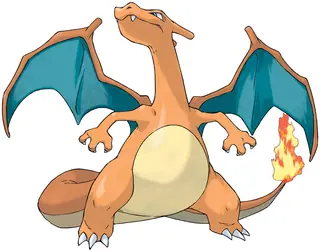 Charizard
 Suicune
 Lucario
Keep exploring
Related articles
 Video games
Pokémon Champions: Battles, Team Building, and HOME Explained
Understand Pokémon Champions battle modes, cross-platform play, recruitment, training, and the limits of visiting Pokémon from HOME.
Read article → Video games
Pokémon UNITE: Team Scoring, Move Choices, Platforms, and Service Availability
Understand Pokémon UNITE’s five-on-five scoring battles, in-match growth, Switch and mobile play, and current regional and account-support restrictions.
Read article → Video games
Pokkén Tournament DX: Direct Fighting, Phases, and Pokémon Partners
Understand Pokkén Tournament DX’s attack triangle, Field and Duel Phases, Support Pokémon, local battles, and optional Battle Pack content.
Read article →Related retailers
Coloring books on Amazon · Pokémon cards on TCGplayer
Paid links. As an Amazon Associate I earn from qualifying purchases. We may earn a commission from purchases through our TCGplayer links.