 Poke Fun Play
Pokémon Ruby and Sapphire: Hoenn, Abilities, Contests, and Version Differences
Discover the original Game Boy Advance Ruby and Sapphire releases: Hoenn starters, double battles, abilities, Contests, and the distinction from later remakes.
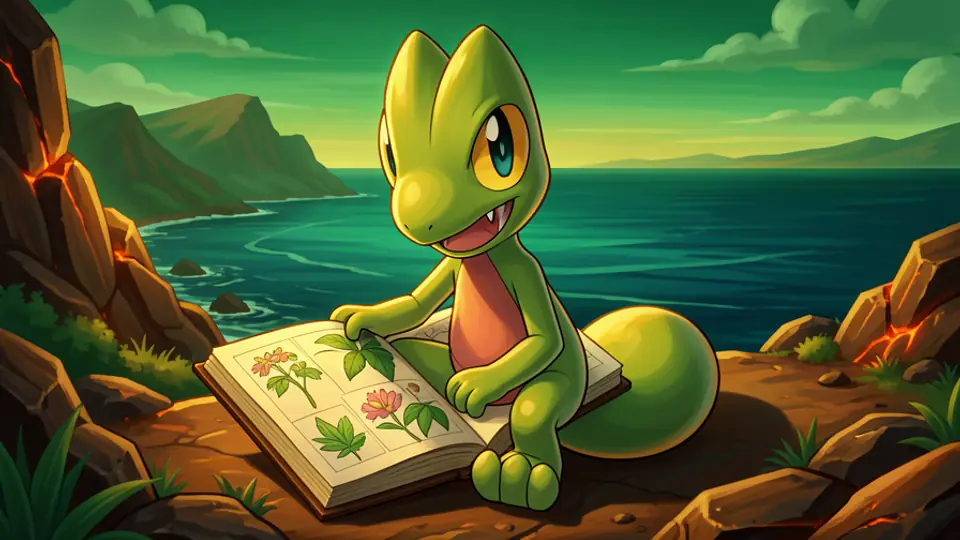
A new region on Game Boy Advance
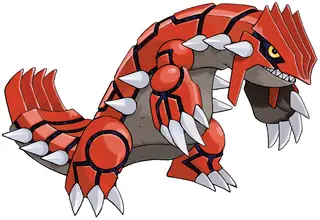
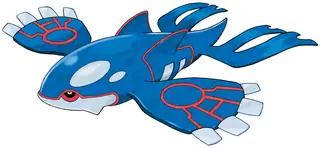
Pokémon Ruby Version and Pokémon Sapphire Version introduced Hoenn to Game Boy Advance. Nintendo lists July 25, 2003 as the original European release date. Developed by Game Freak and published by Nintendo, these Generation III adventures begin with Treecko, Torchic, or Mudkip and develop into a journey through towns, routes, and Gym challenges. Groudon and Kyogre feature prominently in the paired games' identities.
Hoenn gives the series a new group of Pokémon to meet and a different landscape to explore. The useful way to approach that novelty is to build a team as the region unfolds. A starter provides an opening direction, but catching and comparing other partners turns the journey into a succession of decisions rather than a single choice made at the beginning.
Abilities and natures add another layer
Ruby and Sapphire introduced abilities and natures into the core series. An ability gives a Pokémon an additional effect beyond its moves, while a nature can affect its stats. This makes two Pokémon of the same species worth examining more closely. Their shared appearance and type do not tell you everything about how they will function on a team.
For an ordinary story playthrough, the practical lesson is to read the information the game provides before making assumptions. Notice what an ability changes in a battle, then decide whether it supports the role you want. You do not need to turn every encounter into a search for a perfect specimen. Understanding the partner you already have can be a more satisfying project than continually replacing it.
Two partners can act together
Double battles put two Pokémon from each side on the field. That changes the unit of planning from one active partner to a pair. A useful move choice can depend on both opponents and on what your teammate is doing. The official overview presents this as one of the pair's defining changes from earlier adventures.
The format also gives a replay a concrete question: which two favorites work well together? A species selected for its own strengths may feel different when paired with another. This is an invitation to explore combinations, not a claim that one specific team is required or that the original games use every later doubles mechanic. Rules and move behavior should always be checked in the release being played.
| System | Question it adds |
|---|---|
| Ability | What extra effect does this partner bring? |
| Nature | How does this specimen’s stat profile differ? |
| Double battle | How do two partners work together? |
| Contest preparation | What would make this partner a suitable performer? |
Contests create a different collection project
Pokémon Contests and Pokéblocks provide another reason to raise a partner. Berries become part of preparing for performances rather than serving only as battle supplies. This offers a change in pace from the Gym route and a different way to value a Pokémon whose design or moves you enjoy. The adventure supports more than one kind of relationship with a collection.
For a focused session, choose whether you want to advance the story, develop a battle combination, or prepare a Contest entrant. Splitting those goals makes the game's different systems easier to appreciate. It also avoids comparing a performance-oriented partner with a battle-oriented one as though both were chosen to solve the same problem.
Versions, expanded editions, and connections
Ruby and Sapphire share the Hoenn foundation but differ in featured Legendary Pokémon and version-dependent encounters. Emerald is a later expanded Hoenn release; Omega Ruby and Alpha Sapphire are later remakes for Nintendo 3DS. Check the complete title when reading a guide or product listing. Advice about a remake's features is not automatically advice about the original GBA cartridge.
Original communication relies on compatible hardware and accessories, rather than a direct connection to Pokémon HOME. Historical storage and transfer systems also have their own requirements. Before buying equipment to move an old partner, verify the complete chain and its current service deadlines. If the goal is simply to explore Hoenn, those transfer questions can remain separate from choosing which original adventure interests you most.
By the Poke Fun Play editorial team. Facts checked October 4, 2026; analysis and collecting suggestions are our own.
Sources & further reading
- Nintendo: Pokémon Ruby · Checked 2026-10-04
- Pokémon: Ruby and Sapphire overview · Checked 2026-10-04
- Pokémon: Pokémon Box historical overview · Checked 2026-10-04
- Nintendo: Pokémon Bank end of service · Checked 2026-10-04
Explore the Pokémon
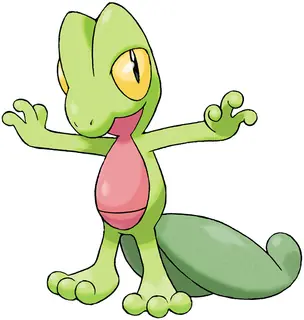 Treecko
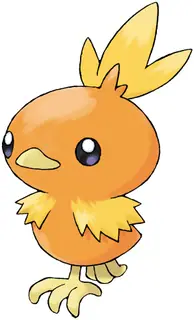 Torchic
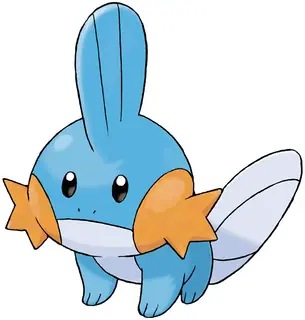 Mudkip
 Groudon
 Kyogre
Keep exploring
Related articles
 Video games
Pokémon Emerald: Rayquaza, Both Teams, and the Original Battle Frontier
Compare Pokémon Emerald with Ruby and Sapphire, from Rayquaza and the Hoenn story to seven Battle Frontier facilities and original GBA connections.
Read article → Video games
Pokémon Omega Ruby and Alpha Sapphire: A New Look at Hoenn
Compare Hoenn's Nintendo 3DS remakes, from Treecko, Torchic, and Mudkip to Primal Reversion, Secret Bases, soaring, and the Delta Episode.
Read article → Video games
Pokémon Pinball and Ruby & Sapphire: Catching Through the Table
Compare the original Pokémon Pinball with Ruby & Sapphire, including two-table layouts, evolution, eggs, bonus activities, and the original rumble cartridge.
Read article →Related retailers
Coloring books on Amazon · Pokémon cards on TCGplayer
Paid links. As an Amazon Associate I earn from qualifying purchases. We may earn a commission from purchases through our TCGplayer links.